Cluster Flies | Pest Control
Understanding Cluster Flies: The Uninvited Winter Guests
As the weather cools down, many homeowners notice an unusual sight: sluggish, dark flies lazily buzzing around windows or hiding in corners. These aren’t your typical houseflies; they’re cluster flies. While harmless to humans, cluster flies can be an annoying presence, especially in colder months when they seek shelter indoors. Understanding why they appear and how to deal with them is key to keeping your home cluster fly-free.
What Are Cluster Flies?
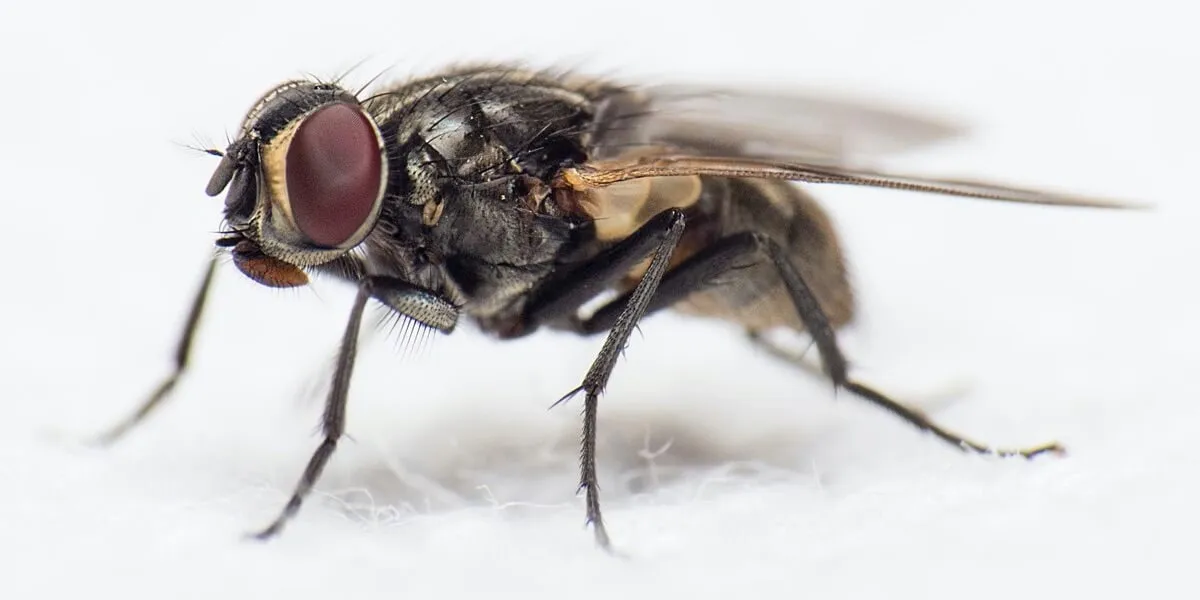
Cluster flies (Pollenia rudis) are a species of fly that resemble the common housefly but with a few key differences. Their bodies are slightly larger, with a dull, dark gray color, and often have golden or yellowish hairs on their thorax. Unlike houseflies, which are attracted to food and rubbish, cluster flies don’t breed indoors or feed on human food. Instead, their life cycle revolves around earthworms, making them an outdoor pest that enters homes primarily for warmth and shelter.
Life Cycle and Behaviour
Cluster flies begin their life cycle outdoors, laying eggs in the soil. The larvae hatch and parasitise earthworms, living off their host until they pupate and emerge as adult flies. During warm months, these flies are not noticed, spending their time outdoors. However, as temperatures drop in late summer and early autumn, cluster flies begin seeking warmth. Homes and buildings provide the perfect environment for overwintering, leading to large numbers congregating in attics, walls, or other warm, secluded areas.
One of the most distinctive behaviours of cluster flies is their tendency to, well, cluster. They gather in large numbers, especially in sunny windows, seeking warmth. This clustering behaviour is what gives them their name. When disturbed, they tend to fly sluggishly and aimlessly, often falling to the ground rather than escaping outdoors.
Why Do Cluster Flies Invade Homes?
Cluster flies don’t enter homes because of poor hygiene or uncleanliness. They are simply looking for a cosy place to overwinter. They typically gain entry through cracks in walls, gaps around windows, vents, or other small openings. Once inside, they hide in attics, behind walls, or in dark corners, waiting for warmer days. When sunny winter days come, they can become active again, attracted to light, leading to their emergence around windows or lamps.
Unlike houseflies, cluster flies don’t breed or lay eggs inside homes, and they don’t carry diseases. Their presence is primarily a nuisance due to their sheer numbers, sluggish movement, and tendency to die in hidden areas, leading to unsightly dead flies.
How to Prevent and Control Cluster Flies
Dealing with cluster flies can be frustrating, but there are several effective methods for prevention and control:
1. Seal Entry Points: The most effective way to prevent cluster flies from entering your home is to seal any potential entry points. Inspect windows, doors, vents, and cracks in walls, and make sure everything is well-sealed. Sealing and weather-stripping are simple but effective measures that can keep these pests out.
2. Use Insect Screens: Installing fine mesh screens on windows and vents can help reduce the number of flies entering your home. Make sure they’re in good condition and tightly fitted.
3. Hoover Them Up: Once cluster flies are inside, they can often be dealt with using a hoover. Because they’re slow-moving, it’s easy to suck them up without much effort.
4. Professional Pest Control: In cases of severe infestation, professional pest control services may be necessary. At Pest King, we can treat attics or other areas with insecticides to reduce the population, particularly if flies are hiding in hard-to-reach areas.
5. Electric Fly Killers and Insect Strips: For smaller infestations, electric fly killers or sticky strips placed near windows can attract and trap cluster flies. These traps are especially useful during the winter months when the flies are seeking light.
Long-Term Solutions
To avoid recurring infestations, focus on prevention strategies. Sealing up entry points and regularly inspecting your home’s exterior are key to keeping cluster flies at bay. However, since cluster flies are often a seasonal issue, patience is sometimes necessary. Many homeowners find that infestations subside naturally as temperatures warm up and flies leave the home in spring.
If you have the problem, we have the solution..
Cluster flies, while annoying, pose no threat to humans or pets. They don’t spread diseases or damage property, but their presence can be a nuisance, especially during colder months. By understanding their behaviour and life cycle, homeowners can take preventive measures to keep cluster flies out and enjoy a pest-free winter. If you do find these slow-moving insects buzzing around, rest assured that with a bit of sealing, trapping, and hoovering, you can keep their numbers under control.
However, if you would like professional advice and treatment options, get in touch with us today and arrange your FREE survey.
- Pest King